
Veterans & Smoking: The War on Healthy Living

Veterans & Smoking: The War on Healthy Living
In recent years, critical attention has been brought to the quality of life veterans experience after returning home and transitioning out of active service. Unemployment and mental health struggles have rightfully held the spotlight in these discussions, but a quieter, equally urgent issue lies in systemic tobacco use.
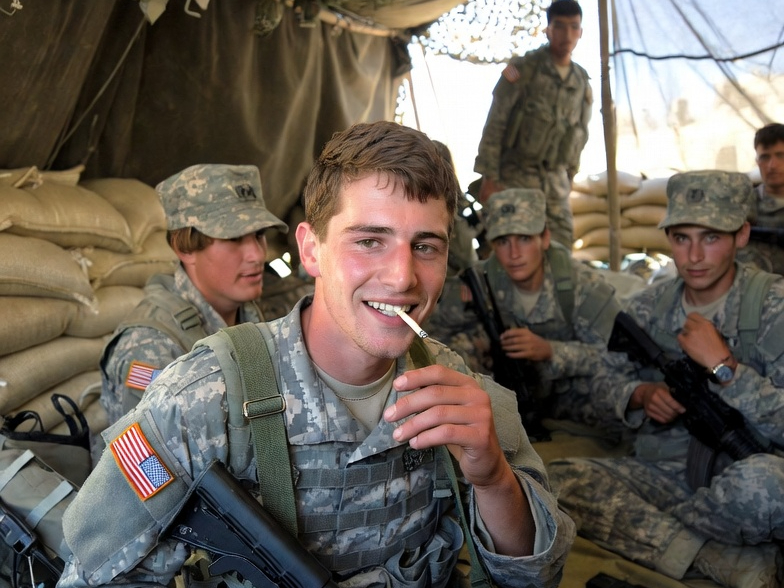
Fighting a Losing Battle
Despite the immense strength, discipline, and willpower veterans develop through their service, they remain highly susceptible to cigarette addiction. A habit that often begins as a coping mechanism to alleviate the severe psychological stresses of deployment may ultimately bring many veterans physical pain and suffering they do not deserve. Society has a fundamental duty to look after those who have served, and a crucial part of that commitment is seeing to their long-term health.
The Constant Pressure
While in active service, members of our military face a barrage of environmental and peer pressures. Historically, cigarettes have been heavily discounted at military stores and deeply ingrained into the cultural fabric of deployment downtime. It is not difficult to see how an 18-year-old recruit might succumb to the normalization of smoking when witnessing superior officers partake during highly stressful operations.
As explained by many Iraq War veterans: when you have nothing to do for hours at a time, smoking cigarettes becomes an appealing way to pass the time and bond with your unit. The boredom may end when the tour of duty concludes, but the nicotine addiction inevitably follows veterans home.

Coming to Terms
Sooner or later, many veteran smokers begin to realize the heavy toll the habit is taking on their bodies. Most veterans will freely admit that smoking is endemic in the military, and a significant percentage want to quit. However, quitting can be a grueling battle—one that almost no one can win alone.
Many soldiers feel psychologically attached to the structured breaks that smoking creates. For some, the addiction is compounded by underlying mental health struggles. The government pays over $1.6 billion annually in medical expenses related to smoking among servicemen and women. Reducing tobacco dependence in the military would not only save lives but drastically decrease this financial burden on a long-term scale.
Smoking has killed 10 times more U.S. citizens than all of the wars the United States has ever fought combined. Quitting is an immense challenge, but as a society, we have an ethical obligation to help our veterans beat addiction. Approximately 77% of veterans who try to quit fail on their first attempt—a frightening statistic, but with proper systemic support, that number can rapidly decrease.

There are Solutions
The Veterans Affairs office currently offers counseling to all veterans, in addition to a fully dedicated anti-smoking hotline. Veterans dealing with PTSD and depression can leverage what they learn through cognitive therapy to fight their chemical addictions. Many techniques used to suppress the urge to smoke overlap with the tools used to help manage PTSD triggers. The VA’s programs seek to return mental stability to the lives of returning veterans. With this stability, cigarette addiction can slowly be eradicated.
More Ammo for Success
Additionally, advocates are pushing Congress to pass legislation to restrict aggressive tobacco marketing aimed at the military. Curbing the accessibility of cigarettes will go a long way in preventing new recruits from falling into the trap of addiction. Furthermore, because many veterans feel their tobacco addiction was a direct result of military service, medically proven nicotine replacement therapies must be universally provided by the VA as standard, accessible tools for smoking cessation.